 Pin It
 My neighbor Maria stopped by one afternoon with a handful of basil from her garden, and I realized I'd been buying sad grocery store fish my entire life without knowing what to do with it. She showed me how she'd throw together whatever vegetables looked good at the market with the plainest white fish, and somehow it tasted like a seaside dinner in Greece. That's when I understood that Mediterranean cooking isn't about fancy techniques—it's about letting really good ingredients speak for themselves on a hot sheet pan.
I made this for my sister last summer when she was going through a phase of avoiding anything heavy, and watching her close her eyes on the first bite while lemon juice ran down her fingers told me everything. She asked for the recipe immediately, which never happens—she usually just takes a photo and moves on. Now whenever she texts that she's having a rough week, I know exactly what to show up with.
Ingredients
- Cod fillets (4, about 150 g each): Look for fish that smells like the ocean, not fishy—that's your first sign of freshness, and skinless boneless saves you the fussing.
- Olive oil (2 tablespoons, plus 1 for the dish): Use something you actually like drinking, because you'll taste every drop; don't waste good oil here but don't use the stuff that's been sitting in your cabinet since last year either.
- Salt and black pepper: Freshly ground pepper tastes brighter and less like dust, and it genuinely matters when there are so few ingredients competing for attention.
- Cherry tomatoes (2 cups, halved): These little bombs burst in the heat and create their own sauce, which is the entire magic trick of this dish.
- Red onion (1 small, thinly sliced): The raw onion softens slightly in the oven and stays bright without overpowering the more delicate flavors.
- Garlic cloves (3, minced): Don't skip the mincing step—chunky garlic tastes raw and aggressive, but minced garlic melts into everything.
- Kalamata olives (1/2 cup pitted, halved): The brine in these olives is doing serious work, so don't rinse them or you're washing away all the seasoning.
- Capers (2 tablespoons, drained): These little flavor bombs are salty and vinegary and wake up everything around them—a little goes such a long way.
- Lemon zest and juice (1 whole lemon): The zest gives brightness before the oven, and the juice squeezed over the top right before serving brings everything back into focus.
- Fresh parsley and basil (2 tablespoons each, plus extra basil for garnish): Add the chopped herbs to the mixture so they cook slightly and meld, but save some fresh basil for the very end when it still tastes grassy and alive.
- Dried oregano (1 teaspoon): This one note of Mediterranean warmth ties everything together without making the dish taste like dried herbs.
- Lemon wedges (for serving): These aren't optional—they're your last chance to brighten everything up right before you eat it.
Tired of Takeout? 🥡
Get 10 meals you can make faster than delivery arrives. Seriously.
One email. No spam. Unsubscribe anytime.
Instructions
- Heat your oven and prepare the pan:
- Get your oven to 200°C (400°F) so it's properly hot before anything goes in. Lightly oil a large baking dish—you want just enough so the fish doesn't stick, not so much that it's swimming.
- Treat the fish with respect:
- Pat your cod fillets completely dry with paper towels and season both sides generously with salt and pepper; this simple step keeps the fish from steaming and helps it develop a slightly golden surface. Arrange them in a single layer in your baking dish where they have some space around them—crowding them keeps them from cooking evenly.
- Build the topping:
- In a mixing bowl, combine the halved tomatoes, sliced onion, minced garlic, olives, capers, lemon zest, lemon juice, parsley, basil, oregano, and that one tablespoon of olive oil. Toss everything together gently so nothing gets bruised—this is your entire sauce, so make sure it's well combined.
- Assemble and bake:
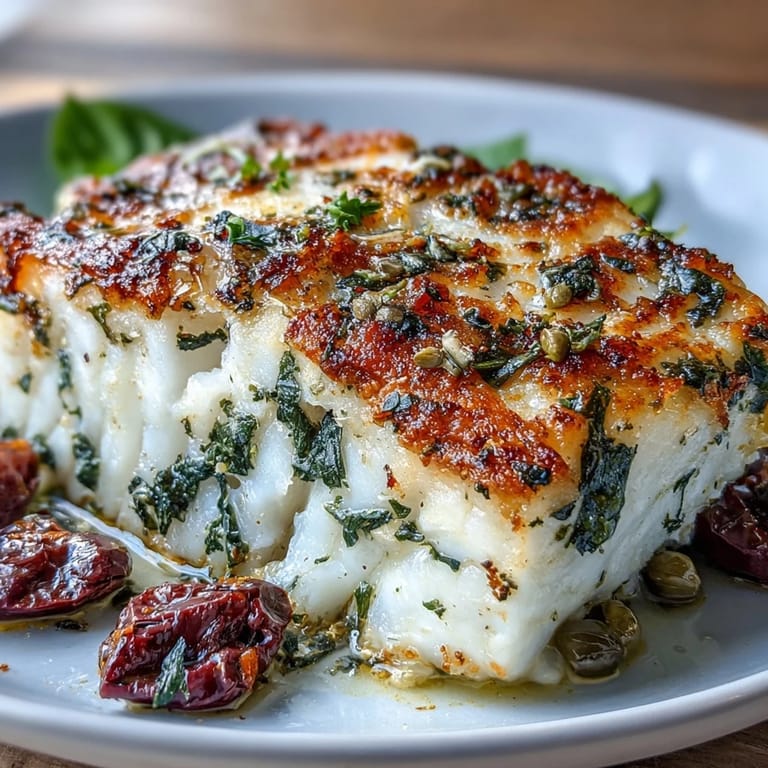
- Spoon the tomato mixture generously over and around the cod fillets, making sure each piece of fish gets some toppings and gets nestled into the liquid. Slide everything into the oven for 20 to 25 minutes until the fish is opaque all the way through and flakes apart easily when you nudge it with a fork—overcooked fish is dry fish, so don't wander away from the kitchen.
- Finish and serve:
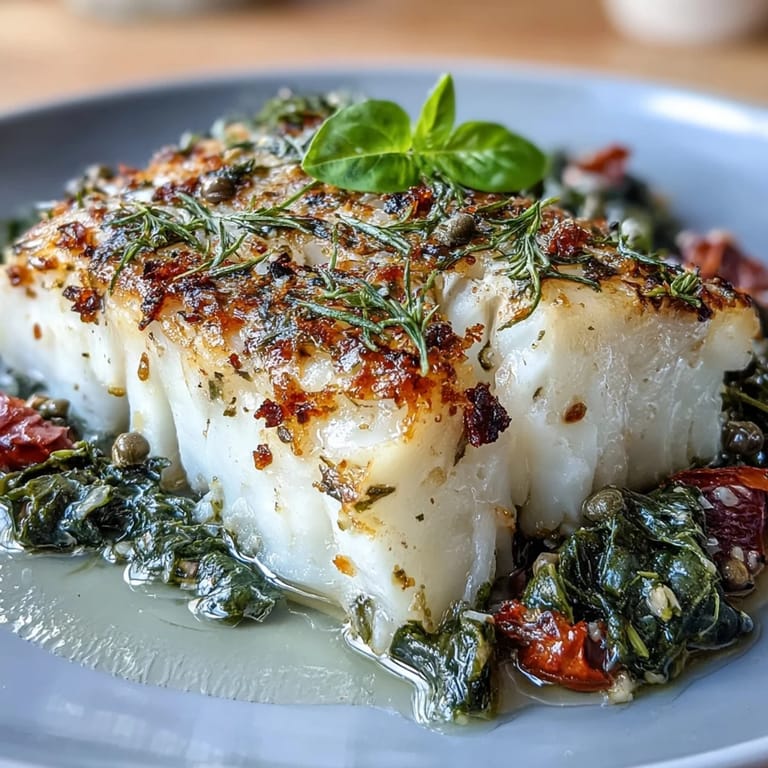
- Pull the baking dish out of the oven carefully, scatter some fresh basil over the top, and serve each fillet with some of those wonderful tomato juices spooned over it. Hand around lemon wedges so everyone can squeeze more brightness over their plate right at the table.
 Pin It
 There's something about watching someone taste fish cooked this way that changes how you see cooking altogether—they never expect something so bright and alive from something that came out of your oven. I've made this dish probably two dozen times now, and it's become my go-to when I want to feel capable in the kitchen without spending hours proving it.
Why This Works Every Single Time
Mediterranean cooking operates on a simple principle: good ingredients in the right proportions need almost no interference. The tomatoes release their juice and mingle with the olive oil to create a light sauce, the olives and capers provide all the salt and funk you need, and the herbs scatter across the top like you meant to do something fancy when you actually just let the oven do the work. The fish steams gently in all of this while staying impossibly tender, and by the time you pull it out, you have a complete dinner that tastes like it took way more effort than it did.
The Secret to Flaky, Moist Cod
Most people overcook fish because they're nervous about it being undercooked, which is ironic because it only gets worse the longer it sits in heat. Watch for the moment when the thickest part of the fillet turns opaque all the way through and the edges start to look just slightly curled—that's your signal to pull it out immediately. Overcooking by even three minutes dries everything out irreversibly, but undercooking slightly means you can always slide it back in for thirty seconds.
Making This Dish Your Own
Once you understand how this comes together, you can swap pieces around based on what you actually have or what looks good that day. The framework stays the same: acid from lemon, salt from olives and capers, brightness from fresh herbs, and gentle heat that doesn't fight the fish. I've made this with halibut when cod wasn't available, thrown in sliced fennel when someone had it, and added a pinch of red pepper flakes when I wanted the tiniest whisper of heat without making it spicy.
- Substitute haddock, halibut, or any firm white fish if cod isn't available, though cook times might vary slightly based on thickness.
- Add a small pinch of red pepper flakes to the tomato mixture if you want a gentle heat that doesn't overpower anything else.
- Fresh dill works beautifully alongside or instead of the basil if that's what you have growing in your garden.
 Pin It
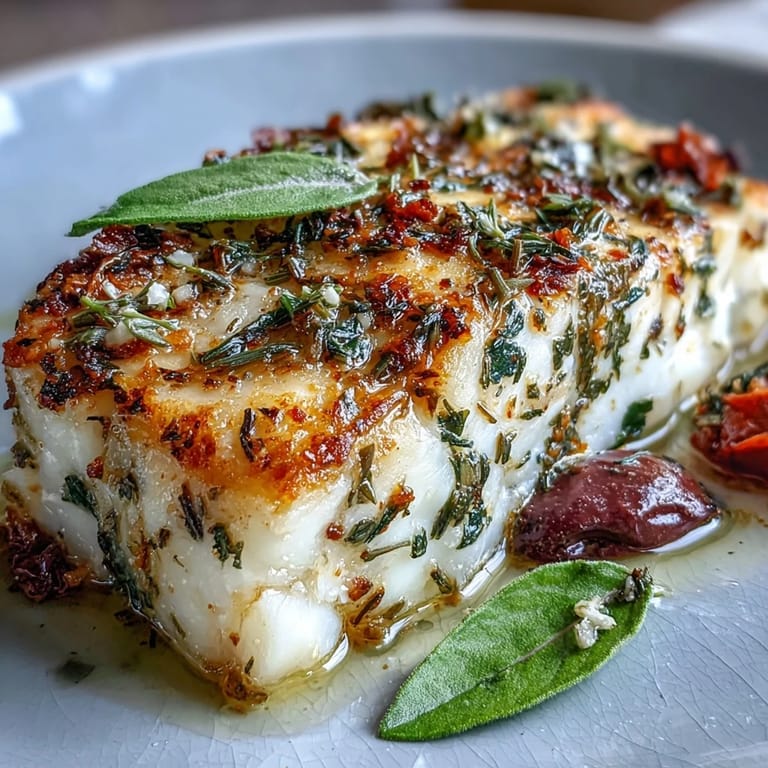
 This is the kind of dish that makes you feel like you've figured something out in the kitchen, even though you've really just gotten out of the way and let good ingredients shine. Once you make it once, you'll make it again and again, and each time it'll taste a little different depending on what you found at the market that day.
Recipe FAQs
- → What type of fish works best for this dish?
Skinless, boneless cod fillets are ideal due to their tender and flaky texture. You can substitute with haddock, halibut, or other firm white fish if desired.
- → Can I prepare this dish ahead of time?
Yes, you can assemble the fish and tomato-olive mixture in advance and refrigerate. Bake just before serving for best freshness and texture.
- → How do the olives and capers affect the flavor?
They add a briny, savory contrast to the sweetness of the tomatoes and the mildness of the cod, enhancing the overall Mediterranean flavor profile.
- → What sides pair well with this baked cod?
Crusty bread, rice, or a simple green salad complement the dish nicely, balancing the bright and savory elements.
- → Is the dish suitable for special diets?
It is naturally gluten-free and low carb, making it a good fit for those dietary preferences.
- → How can I add a bit of heat to the dish?
Sprinkle a pinch of red pepper flakes over the tomato mixture before baking to introduce a gentle spicy kick.