 Pin It
 There's something almost magical about pulling a caramel cream cheese French toast casserole out of the oven on a quiet Sunday morning, the kitchen filled with the smell of butter and cinnamon caramelizing into something impossible. My sister called it "the casserole that convinced my kids to actually eat breakfast" after I brought it to her house one holiday, and it's been requested every gathering since. The beauty of this dish is that you do all the work the night before, which means you're free to be present when people actually gather around the table. What started as an experiment with leftover brioche and cream cheese has become the breakfast I'm known for, the one that makes people ask for the recipe before they've even finished eating. It's indulgent without feeling guilty, elegant enough for brunch but casual enough for a lazy Saturday.
I made this for the first time after my neighbor mentioned she'd never had a "fancy" breakfast at home, and watching her face when she tasted it—that moment when you can tell someone's entire day just got better—I knew I'd stumbled onto something special. She brought me her own casserole dish the next week and asked me to teach her how, which turned into two hours of us laughing in her kitchen while her kids did taste tests between layers. That's when I realized this recipe isn't really about the food; it's about the permission you're giving yourself to do something thoughtful and delicious without it needing to be complicated.
Ingredients
- Brioche or challah bread: The texture here is everything—dense and tender enough to absorb all that custard without falling apart, which is why day-old bread actually works better than fresh.
- Cream cheese: Softened means spreadable, which matters because you'll be dolloping it in pockets throughout, creating those dreamy streaks of tang and richness.
- Eggs, milk, and heavy cream: This trio creates the custard that transforms bread into something silky and set, the structural magic that holds everything together.
- Granulated sugar and vanilla: Keep the sugar measured because this isn't a "more is more" situation—it balances the caramel below.
- Cinnamon and salt: That pinch of salt is crucial; it keeps the sweetness from becoming one-note and makes the caramel taste deeper.
- Light brown sugar and unsalted butter for caramel: Brown sugar already has molasses, which gives the caramel complexity that white sugar won't, and unsalted butter means you control the salt balance.
- Heavy cream for the caramel: Added off-heat because if it's simmering when you pour it in, it can seize and separate on you.
Tired of Takeout? 🥡
Get 10 meals you can make faster than delivery arrives. Seriously.
One email. No spam. Unsubscribe anytime.
Instructions
- Build your caramel foundation:
- Melt the brown sugar and butter together over medium heat, stirring constantly until it smells like toasted hazelnuts and everything is bubbling gently—about 2 to 3 minutes, no longer. Remove from heat, stir in the heavy cream, and pour this precious layer into your greased 9x13-inch dish, where it'll wait like liquid gold for the layers above.
- Lay down your bread strategy:
- Arrange half the cubed brioche evenly over the caramel, filling the gaps but not packing them too tightly—the bread needs room to breathe and absorb. Think of it like a floor that needs to be even before you build walls on top.
- Streak in the cream cheese:
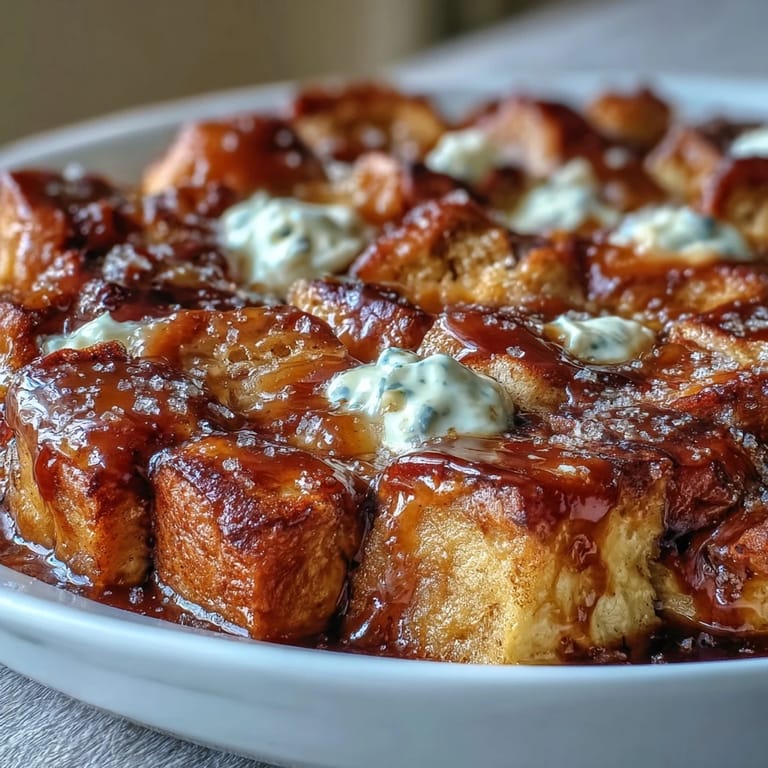
- Beat your softened cream cheese until it's completely smooth, then drop spoonfuls across the bread layer, spreading gently so you create ribbons rather than one thick blanket. Leave some dollops visible because they'll create pockets of pure indulgence as everything bakes together.
- Complete the bread layers:
- Add the remaining bread cubes on top, distributing them so there's a relatively even surface for the custard to pour over and soak into.
- Make and pour the custard:
- Whisk together the eggs, milk, heavy cream, sugar, vanilla, cinnamon, and salt until it's completely smooth and slightly frothy, then pour it evenly over everything, using your hands to gently press down the bread so it all gets submerged. You want every piece drinking up this mixture.
- The overnight transformation:
- Cover tightly with plastic wrap and refrigerate for at least 6 hours, ideally overnight, during which time the bread slowly absorbs the custard and everything melds together. This step is non-negotiable; it's what turns this from French toast into something more elegant.
- Bring it to room temperature before baking:
- Take the casserole out of the fridge 20 to 30 minutes before baking so it bakes evenly from the center outward, not just around the edges. This patience pays off.
- Add the cinnamon-sugar top:
- Mix 2 tablespoons of granulated sugar with 1 teaspoon of cinnamon and sprinkle it evenly across the entire surface for a burnished crust.
- Bake to golden perfection:
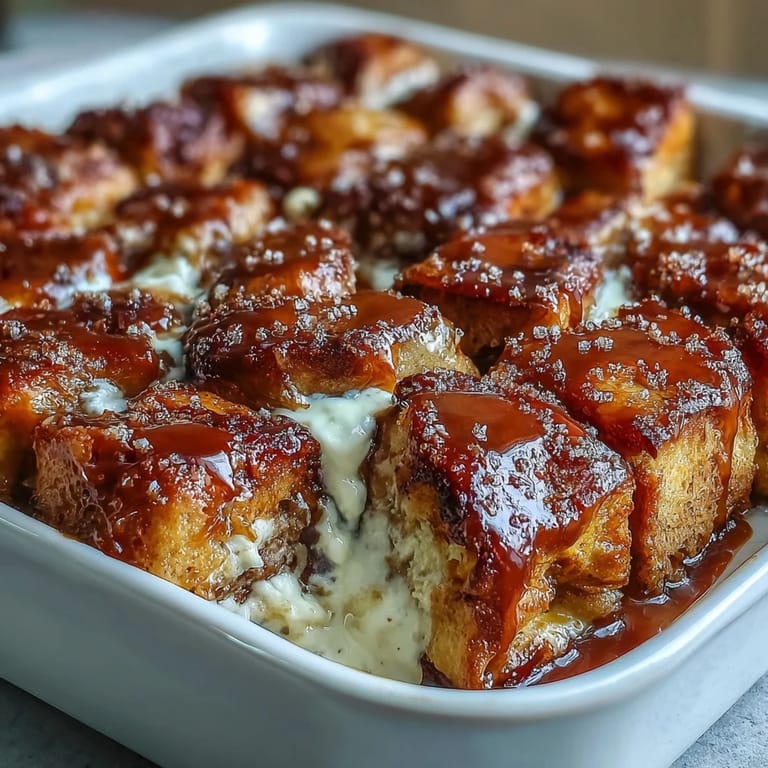
- Bake at 350°F uncovered for 40 to 45 minutes, until the top is puffed and golden and the center feels set when you gently press it. If the top is browning too quickly, loosely tent it with foil for the remaining time.
- Let it rest:
- Cool for at least 10 minutes before cutting—this gives the custard a moment to set completely so it doesn't ooze everywhere in a sad way instead of a delicious way.
 Pin It
 My mom asked me why I made this so complicated when she could just make regular French toast, and I realized I couldn't explain it properly without her tasting it—the difference between cooking for people and cooking something that becomes part of how they remember you. This casserole is that thing for me; it's become the shorthand for "I'm thinking about you and your morning" in the most delicious way possible.
Why This Casserole Works
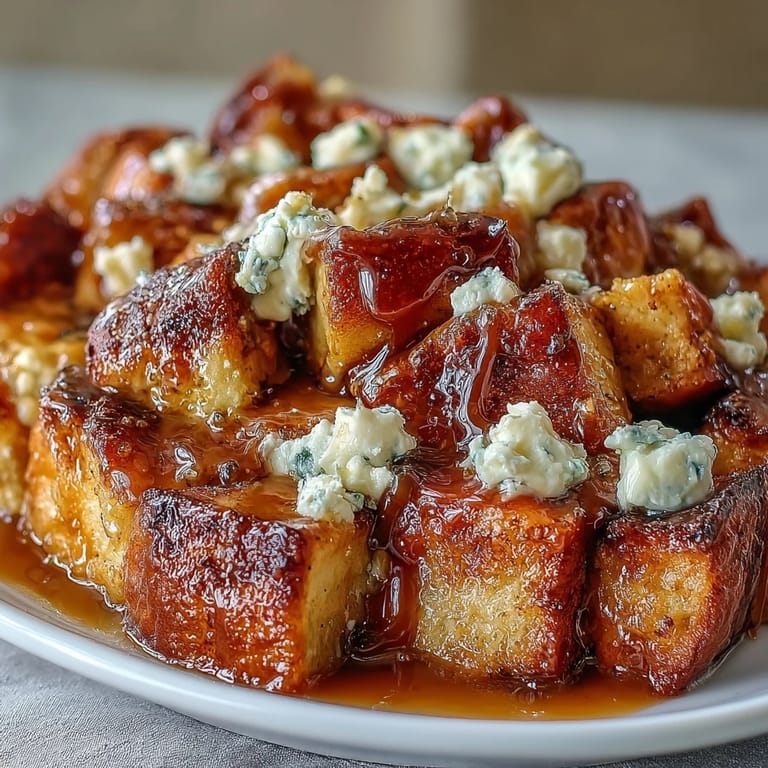
The genius of this dish is in its simplicity dressed up as luxury: you're taking humble ingredients that most people have on hand and creating something that tastes like you spent hours on it when you mostly just assembled it thoughtfully and let time do the work. The custard is the backbone, but the caramel is the secret—that dark layer underneath means every bite has a hint of complexity, a whisper of something deeper than just sweet. When you cut into this and see those cream cheese streaks next to caramel, next to eggy bread, next to that cinnamon-sugar crust, you understand why this became the breakfast people remember.
Making It Your Own
I've made this with half-and-half instead of heavy cream when I wanted something lighter, and it works—you just lose a little richness, which might be exactly what you want. Some people swear by adding chopped pecans or walnuts between the layers for a textural contrast, which I understand, though I've never needed it. Fresh fruit scattered on top when you serve it—raspberries, sliced strawberries, even poached pears—turns breakfast into something that looks like a restaurant plated it.
Timing and Temperature
The 20 to 30 minutes at room temperature before baking is one of those steps that feels optional until it isn't, because it ensures the custard bakes through evenly instead of cooking around the edges while the center stays liquid. I learned to check the center with a toothpick like you would with a cake—if it comes out with wet custard clinging to it, it needs a few more minutes, but if it's clean or just has a few moist crumbs, you're done. Baking at exactly 350°F matters here; too hot and your top browns before the center sets, too cool and you end up with something that feels undercooked even when it's technically done.
- Use an oven thermometer: Most ovens are lying about their temperature, and this dish is picky enough to care.
- If browning too quickly, tent with foil: Loose is the key word—you want air to still circulate so the center can finish cooking.
- Let it rest those 10 minutes: I know you're hungry, but that wait makes the difference between a beautiful slice and a beautiful mess on the plate.
 Pin It
 This is the breakfast that turns a regular morning into something worth remembering, the kind of dish that becomes part of your story and other people's stories too. Make it, feed people you love, and watch how something as simple as bread and eggs and butter becomes the reason someone smiles when they think about Sunday.
Recipe FAQs
- → Can I use regular bread instead of brioche?
While brioche or challah provides the richest, most tender texture, you can substitute French bread, Texas toast, or even day-old sandwich bread. Stale bread actually works better as it absorbs the custard more effectively without becoming mushy.
- → How long can I refrigerate this before baking?
The casserole needs to refrigerate for at least 6 hours, but it can be prepared up to 24 hours in advance. The extended chilling time allows the bread to fully absorb the custard mixture, resulting in a creamy, set interior after baking.
- → Can I freeze this dish?
You can assemble the entire casserole, wrap it tightly, and freeze for up to 3 months before baking. Thaw overnight in the refrigerator, then let it sit at room temperature for 30 minutes before baking as directed.
- → Why does my caramel sometimes separate?
Caramel can separate if the cream is too cold or added too quickly. Let your heavy cream reach room temperature before stirring it into the hot sugar-butter mixture. If separation occurs, whisk vigorously while warming gently to recombine.
- → Can I make this without cream cheese?
You can omit the cream cheese layer for a simpler version, or substitute with mascarpone for a slightly different flavor profile. Alternatively, blend the cream cheese directly into the custard mixture rather than layering it.