 Pin It
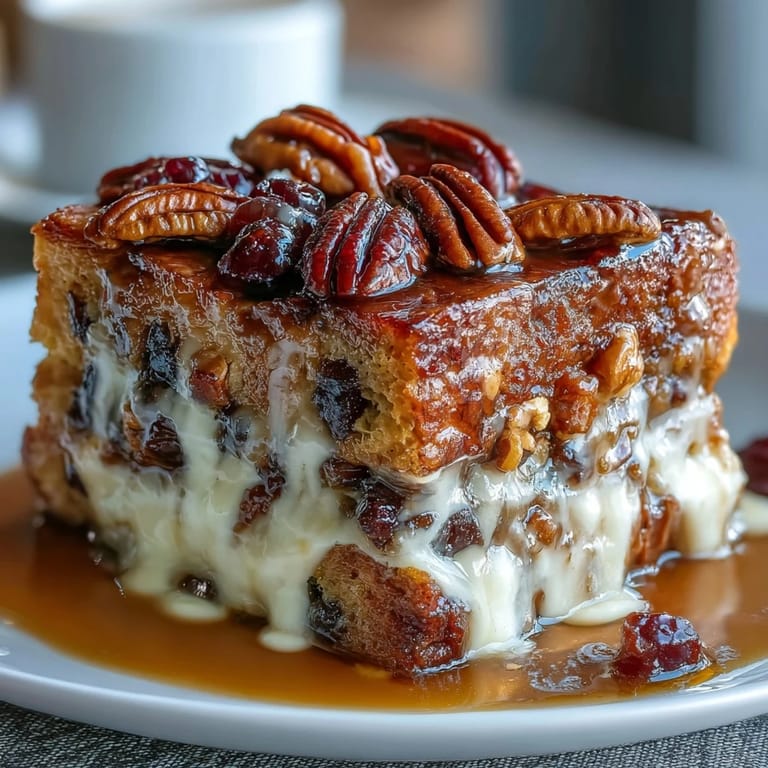
 One afternoon, the scent of cinnamon wafted through my kitchen windows as I experimented with capirotada for the first time. It had been a week full of rain and quiet moments, and something about the thought of a Mexican bread pudding seemed cozy and inviting. I recall how the piloncillo syrup simmered, its sweetness filling the air and making everyone in the house curious. There's a gentle rhythm to layering bread, raisins, and cheese, reminding me that comfort food is as much about calm as flavor. The soggy bread transforming in the oven gave me the anticipation of something delightfully homey ahead.
I made this capirotada for a small get-together during Lent. We gathered around the table after dinner, sharing stories and passing plates heaped with the pudding—even the kids insisted on seconds, giggling over how stretchy the cheese became. The clink of forks and cheerful voices made this dish feel more like a celebration than a simple dessert. I learned that have a few extra napkins handy, as everyone wanted to scoop out every last bit of syrup. To this day, I can still hear the warm laughter echoing in my kitchen whenever I bake it.
Ingredients
- Bread: Day-old bolillo or French bread slices toast up beautifully, giving the pudding its essential layered texture and preventing sogginess.
- Piloncillo (or packed dark brown sugar): Chopped piloncillo melts into an earthy syrup—I always use more if I want a deeply caramel flavor.
- Cinnamon sticks: Whole sticks infuse the syrup, and I learned not to substitute ground cinnamon, as the flavor becomes too sharp.
- Whole cloves: Just three cloves offer warmth without overpowering—remove them before layering to avoid biting into one.
- Raisins: Plump raisins add bursts of sweetness in every bite; soaking them first makes them extra juicy.
- Shredded cheese: Mild cheeses like queso fresco, Monterey Jack, or mozzarella create a delicate gooeyness—a secret for velvety layers.
- Pecans or peanuts (optional): Nuts offer crunch and contrast; toast them lightly for a deeper flavor.
- Butter: Unsalted butter for greasing and enriching the syrup keeps the bread moist and adds subtle richness.
Tired of Takeout? 🥡
Get 10 meals you can make faster than delivery arrives. Seriously.
One email. No spam. Unsubscribe anytime.
Instructions
- Heat Up Your Workspace:
- Preheat the oven to 350°F (175°C) and coat your baking dish with butter so nothing sticks and every slice lifts easily.
- Toasting Time:
- Spread bread slices on a baking sheet and toast until golden and dry, flipping once so each side feels crisp to the touch.
- Syrup Simmer:
- Bring piloncillo, water, cinnamon, and cloves to a lively boil, then reduce and simmer as a deep aroma fills your kitchen; stir in butter right at the end.
- Layer and Sprinkle:
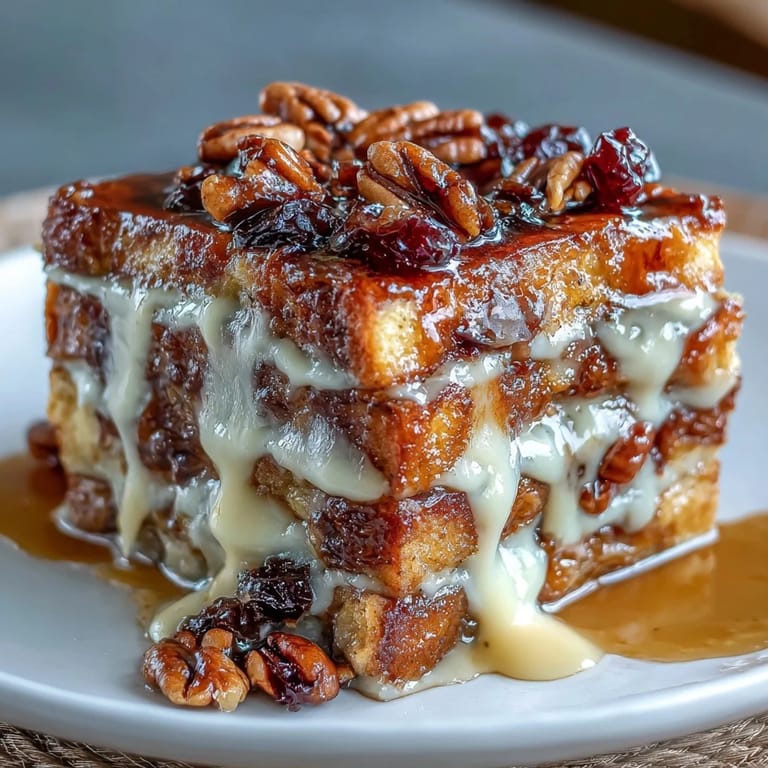
- Arrange half the toasted bread in the dish, scatter with raisins, cheese, and nuts, then slow-drizzle half the syrup so each piece soaks up sweetness.
- Build Again:
- Repeat with remaining ingredients, gently pressing down with a spatula to help the layers meld and absorb the syrup.
- Bake and Reveal:
- Cover with foil, bake for 20 minutes, then uncover and bake another 10 minutes until the cheese is bubbly and the top turns softly golden.
- Cool and Enjoy:
- Let the capirotada rest for 10 minutes before serving—steam rises and the flavors settle in beautifully.
 Pin It
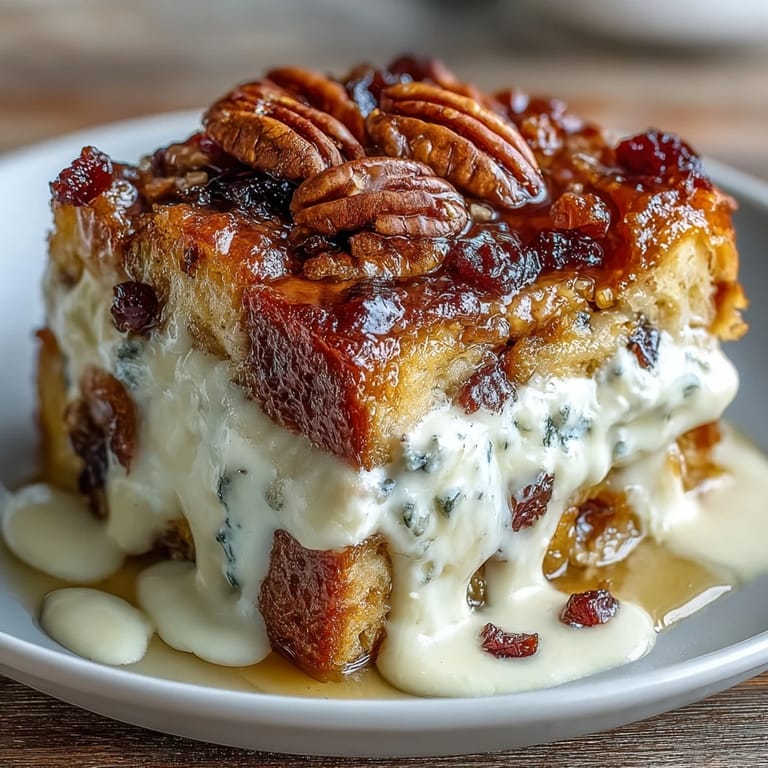
 One chilly evening, serving capirotada felt less like dessert and more like offering comfort. My cousin, wrapped in a blanket, confessed it tasted better than anything store-bought—she insisted leftovers be hidden from the rest of the family. That simple compliment brought out smiles and turned capirotada into our new winter ritual. It surprises me how a humble bread pudding can spark such joy. Now, I pause before each bite to savor the memories and the warmth.
Make It Your Own
I've swapped raisins for dried apricots when supplies run low, and even tried a sprinkle of orange zest for brightness. Adding extra nuts or a drizzle of sweetened condensed milk makes each version special and richer. It's fun to experiment with different breads—brioche or challah deliver an ultra-tender base if you're feeling adventurous. Sometimes, I mix cheeses to play with flavors and textures. The best variations come when I'm not afraid to try something unplanned.
Pairing Ideas for Capirotada
A mug of Mexican hot chocolate has always been my favorite sidekick—its subtle spice pairs perfectly with capirotada. For brunch, strong coffee or even tea balances the sweetness and keeps conversations lively. Fresh fruit, like sliced strawberries or roasted apples, adds a refreshing counterpoint. There's something magical about sharing this dessert with a hot drink in hand. No matter how you serve it, capirotada always feels festive.
Common Mistakes and Quick Fixes
Forgetting to toast the bread is a rookie move—the texture suffers and turns mushy. If you overbake, just cover the pudding with foil and let it rest with a splash of milk to restore softness. Missing ingredients never ruins the dish; a bit of extra cheese or nuts can save the day and add depth.
- If the syrup thickens too much, whisk in a tablespoon of hot water.
- Too much cheese? Let it cool longer so the layers settle.
- Always taste as you go—small tweaks lead to big improvements.
 Pin It
 No matter the weather or occasion, capirotada brings a little bit of celebration to my kitchen and a smile to anyone who tastes it. I hope you savor each spoonful—it's more than dessert, it's a moment to share.
Recipe FAQs
- → What type of bread works best?
Day-old bolillo, French bread, or baguette are ideal as they better absorb syrup and maintain texture while baking.
- → Can I use different sweeteners?
Piloncillo gives distinctive flavor, but packed dark brown sugar is a suitable substitute, maintaining sweetness and color.
- → Is it possible to make this dairy-free?
Choose dairy-free cheese alternatives and plant-based butter to adapt for a dairy-free option, preserving creamy texture.
- → What can I use instead of raisins?
Dried cranberries or chopped dried apricots can replace raisins, offering unique flavor and balancing sweetness.
- → How should capirotada be served?
Enjoy warm or at room temperature. It pairs well with Mexican hot chocolate or coffee for comforting enjoyment.
- → What cheeses are traditionally used?
Queso fresco, Monterey Jack, mozzarella, or aged varieties like queso añejo or Cotija enhance both texture and saltiness.