 Pin It
 There's something about assembling a warm salad bowl that feels like putting together a small, edible puzzle—each component finding its place with intention. One Tuesday afternoon, I was standing in my kitchen with half-wilted greens, leftover roasted vegetables from the weekend, and an inexplicable craving for something that felt both light and deeply satisfying. Instead of tossing it all into a cold bowl with a shrug, I warmed the vinaigrette, let it embrace the greens, and suddenly everything tasted like it had been planned all along. That's when I understood: the warmth wasn't just temperature—it was comfort meeting nutrition in a way that made sense for how I actually wanted to eat.
I made this for my sister after she mentioned feeling exhausted from takeout decisions, and watching her face light up when she tasted that first warm, complex bite reminded me that sometimes people don't need fancy—they need thoughtful. The bowl was colorful enough to feel celebratory but simple enough that she asked for the recipe immediately. That's the power of warm food arranged with care: it speaks a language that cold salads sometimes miss.
Ingredients
- Quinoa or brown rice (1 cup): Choose quinoa if you want a fluffier, nuttier grain that cooks faster, or brown rice for something heartier that holds up beautifully to the warm vinaigrette.
- Sweet potato (1 medium, cubed): The natural sweetness caramelizes in the oven and creates a gorgeous golden crust that tastes like intentional seasoning.
- Red bell pepper (1), red onion (1 small), zucchini (1 small): The variety of textures and colors makes the bowl feel abundant, and the onion becomes almost candy-like when roasted.
- Olive oil (5 tablespoons total): Use a good quality oil that you actually enjoy tasting, because it's the backbone of both the roasted vegetables and the vinaigrette.
- Smoked paprika (1 teaspoon): This is the secret whisper that makes people ask what spice you used—it adds depth without announcing itself.
- Baby spinach or kale (4 cups): Spinach wilts faster and tastes delicate; kale holds its shape and demands more attention, so choose based on your mood.
- Apple cider vinegar (1 tablespoon): The acidity is bright and a touch fruity, which sounds fancy but just means it tastes alive in a warm vinaigrette.
- Dijon mustard (1 teaspoon): This emulsifies the vinaigrette and adds a subtle sharpness that keeps everything from tasting too sweet.
- Honey or maple syrup (1 teaspoon): A touch of sweetness balances the vinegar and mustard—trust the small amount, it's doing important work.
- Garlic (1 small clove, minced): Warm garlic tastes softer and sweeter than raw, which is exactly what you want in a gentle vinaigrette.
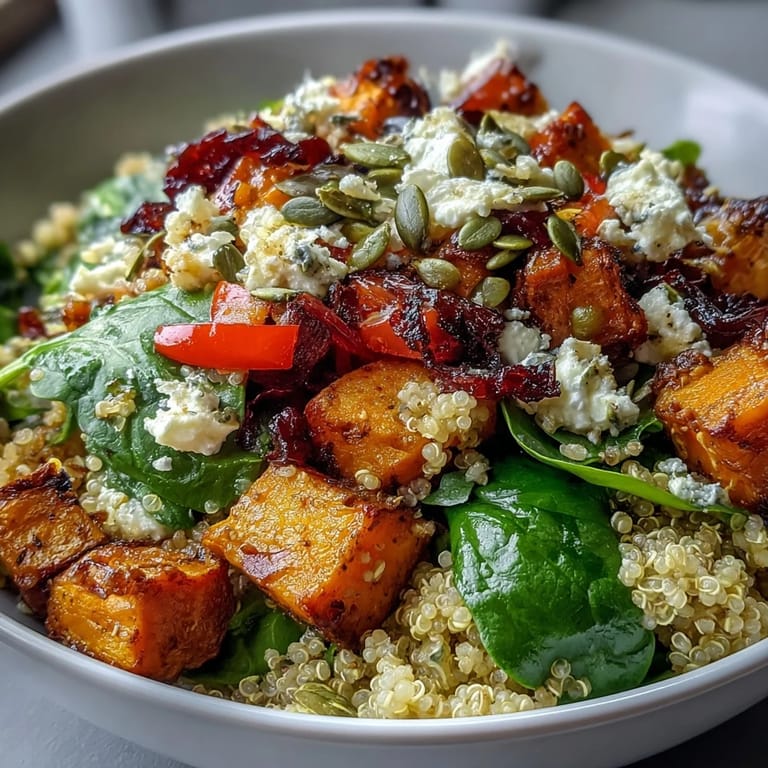
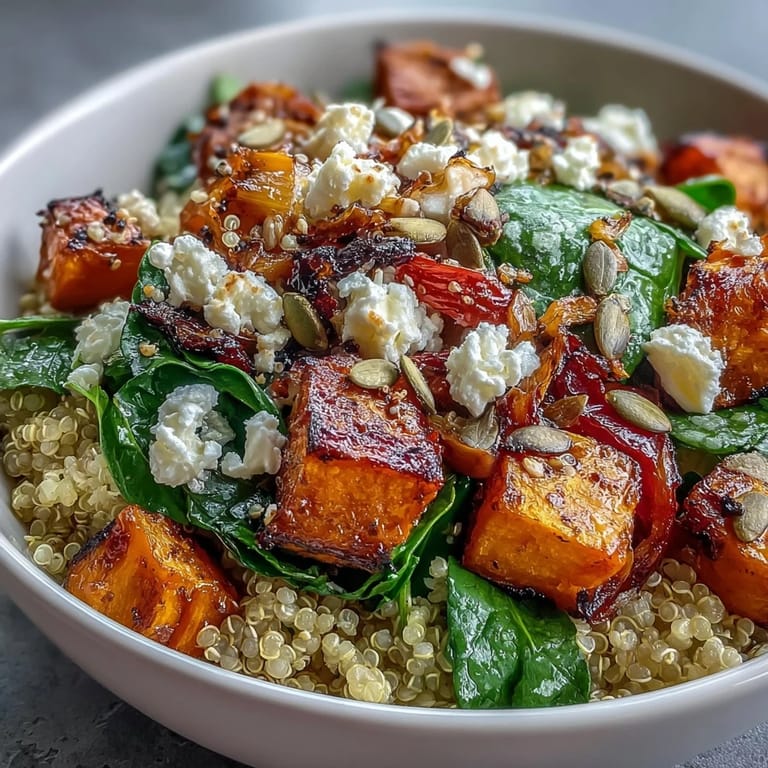
- Optional toppings (feta, seeds, fresh herbs): These are the final conversation—texture, saltiness, and brightness that make the bowl feel complete rather than just full.
Tired of Takeout? 🥡
Get 10 meals you can make faster than delivery arrives. Seriously.
One email. No spam. Unsubscribe anytime.
Instructions
- Preheat and prepare your canvas:
- Set your oven to 425°F and line a baking sheet with parchment paper. This small step prevents sticking and makes cleanup feel like a gift to your future self.
- Season and roast the vegetables:
- Toss your cubed sweet potato, pepper strips, onion slices, and zucchini with 2 tablespoons olive oil, smoked paprika, salt, and pepper until everything glistens. Spread them in a single layer on the sheet and roast for 25 to 30 minutes, stirring halfway through—you're looking for edges that turn golden and caramelized, which is when the magic happens.
- Start your grains:
- While the vegetables do their thing, rinse your quinoa or rice and combine it with 2 cups of water or vegetable broth in a saucepan. Bring to a boil, then reduce the heat to low, cover, and let it cook undisturbed for 15 to 20 minutes for quinoa or according to package directions for rice. You'll know it's done when the liquid is absorbed and the grains taste tender.
- Warm the vinaigrette gently:
- In a small pan over low heat, whisk together the olive oil, apple cider vinegar, Dijon mustard, honey, minced garlic, salt, and pepper. Keep the heat gentle—you want it warm enough to feel comforting but not so hot that the vinegar tastes harsh. This takes about 1 to 2 minutes, just until steam lightly rises from the pan.
- Wilt the greens with warmth:
- Pour about half the warm vinaigrette into a large bowl with your spinach or kale and toss gently, letting the heat and acid do the work. The greens will soften without turning mushy, which is the exact texture you want.
- Build your bowl with intention:
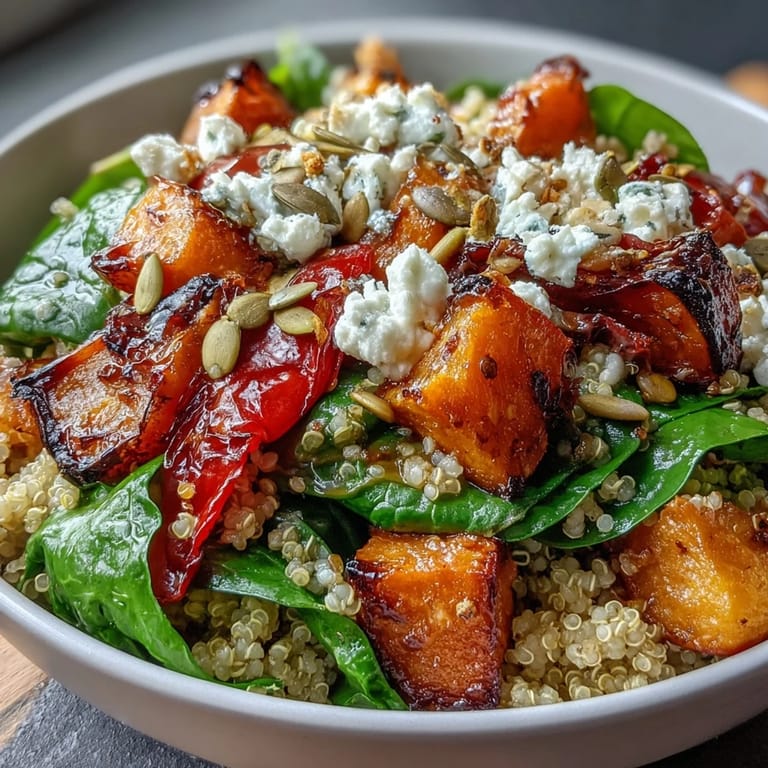
- Divide the fluffed grains among four bowls, then layer the wilted greens on top, followed by the roasted vegetables. Scatter your optional toppings—feta, toasted seeds, fresh herbs—and finish with a drizzle of the remaining warm vinaigrette. Serve immediately while the temperature and flavors are at their best.
 Pin It
 One evening, I realized my roommate had taken a bowl of leftovers to her desk and never came back with it, which sounds small but felt like the truest compliment. A bowl that's good enough to eat at your desk, without dressing on the side or regrets, is a bowl that's doing exactly what it should.
The Art of Roasting at the Right Temperature
Roasting vegetables at 425°F is the sweet spot—hot enough that they caramelize and develop that nutty, almost sweet flavor, but not so hot that they burn before the insides get tender. I once tried to rush the process at 475°F and ended up with charred edges and a hard center, which taught me that vegetables deserve patience. The oven temperature makes an enormous difference in whether your bowl tastes like intentional cooking or panicked timing.
Why Warm Greens Change Everything
Cold salads are refreshing, but warm greens with a warm vinaigrette taste like they're actually embracing you. The heat softens the leaves just enough to make them tender without making them wilt into something sad, and the warmth carries the flavors deeper into the vegetables. It's the difference between eating your greens because they're healthy and eating them because they taste genuinely good.
Making It Your Own
This bowl is more of a template than a rigid recipe, which is what makes it so useful for actual life. You can swap the vegetables based on what's seasonal or what you have lingering in your crisper drawer, trade the grains for farro or millet if you want something different, or add roasted chickpeas for more protein. The structure stays the same—warm grains, wilted greens, roasted vegetables, warm dressing—but the details belong to you.
- If you go vegan, skip the cheese and add more seeds or nuts for richness and texture.
- Leftover roasted vegetables from dinner become tomorrow's bowl, which makes this recipe feel less like cooking and more like strategic eating.
- Make the vinaigrette ahead if you want, but warm it gently just before assembly so it still has that fresh, emulsified taste.
 Pin It
 This warm salad bowl has become my answer to the question of what to make when I want something that feels nourishing without being precious. It's the kind of meal that sits comfortably at the table between a weeknight dinner and a gentle act of self-care.
Recipe FAQs
- → Can I use other grains instead of quinoa or brown rice?
Yes, farro or millet work great as alternatives, adding unique textures while keeping the dish hearty and nutritious.
- → How do I make the warm vinaigrette?
Whisk olive oil, apple cider vinegar, Dijon mustard, honey, garlic, salt, and pepper in a small pan over low heat for 1–2 minutes until just warm and combined.
- → What vegetables are best for roasting in this dish?
Sweet potatoes, red bell peppers, red onions, and zucchini are roasted until tender and caramelized, lending warmth and sweetness to the bowl.
- → Can I prepare parts of this dish ahead of time?
Yes, grains and roasted vegetables can be cooked in advance and stored in the fridge, then assembled with fresh greens and warm vinaigrette just before serving.
- → What can I use as toppings to add extra flavor?
Crumbled feta or goat cheese, toasted pumpkin or sunflower seeds, and fresh herbs like parsley or cilantro complement the bowl beautifully.