 Pin It
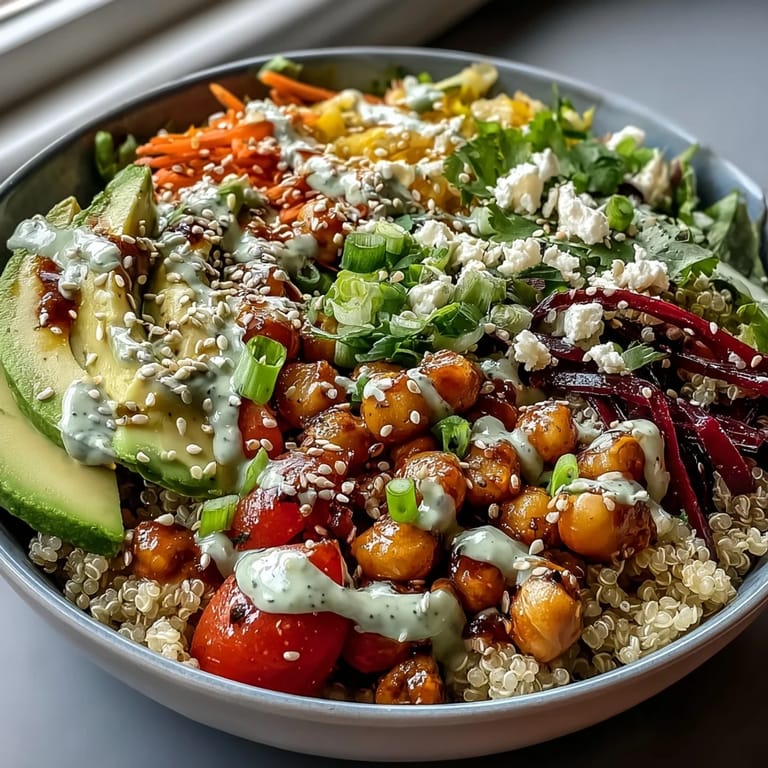
 My kitchen got a serious upgrade the day a friend showed up with a mason jar full of homemade sesame ginger dressing and declared it would change my life. She wasn't wrong. What started as her casual lunch hack evolved into something I couldn't stop making—this vibrant Buddha bowl that somehow tastes better each time I assemble it. The beauty of it is how forgiving it is; you're basically building edible art, and the dressing does all the heavy lifting. Now it's become my answer to meal prep, impromptu dinners, and that moment when you want something that feels nourishing but doesn't demand hours in the kitchen.
I made this for a potluck once and watched people circle back to it three times while the heavier dishes sat untouched. There's something about the way the colors catch the light when you arrange everything in sections that makes people actually want to eat their vegetables. My partner, who typically resists anything too healthy-looking, admitted it was genuinely delicious—which for him is practically a love letter.
Ingredients
- Brown rice or quinoa: Choose based on your mood—rice is grounding and traditional, quinoa adds a slight nuttiness and cooks faster if you're impatient like me.
- Cherry tomatoes: Halving them means they won't roll around when you're assembling, and they stay perched on top beautifully.
- Red cabbage: The raw crunch is non-negotiable here; it's what keeps your mouth awake between bites.
- Carrots: Shredded gives you more surface area to catch the dressing, creating little pockets of flavor.
- Yellow bell pepper: The sweetness balances the savory dressing perfectly, and the color is just stunning.
- Broccoli florets: A light steam softens them slightly without making them mushy, but raw works beautifully if you want maximum texture.
- Avocado: Add it just before eating unless you enjoy watching it turn brown—I've learned that lesson more than once.
- Chickpeas: Canned and rinsed work perfectly, giving you substantial protein without the overnight soaking drama.
- Sesame seeds: Toast them yourself if you have time—they taste nothing like the stale ones sitting in your pantry.
- Fresh cilantro or parsley: Cilantro brings brightness, parsley is gentler; either one lifts the whole bowl.
- Toasted sesame oil: This is where the magic happens; it's concentrated and deeply flavorful, so a little goes far.
- Tamari or soy sauce: Tamari is gluten-free and smoother, soy sauce is what most people have on hand.
- Rice vinegar: Mild and slightly sweet, it softens the intensity of the other dressing ingredients.
- Maple syrup or honey: Just enough sweetness to round out the salty-savory-tangy profile.
- Fresh ginger: Grate it just before mixing the dressing so you get the sharp, bright heat rather than the muted version from yesterday.
Tired of Takeout? 🥡
Get 10 meals you can make faster than delivery arrives. Seriously.
One email. No spam. Unsubscribe anytime.
Instructions
- Rinse and cook your grains:
- Run cold water over the rice or quinoa in a fine mesh strainer until the water runs mostly clear—this removes the starch and prevents gluey results. Bring the measured water to a rolling boil, add your grains, then reduce heat and cover; let it sit undisturbed for 15 to 20 minutes depending on what you're using, then fluff gently with a fork.
- Prep while everything simmers:
- Use this golden window to wash, chop, and arrange your vegetables on a cutting board—cherry tomatoes halved, cabbage shredded, carrots cut into thin matchsticks, peppers into thin slices. The repetitive chopping is oddly meditative once you get into the rhythm.
- Whisk the dressing into being:
- In a small bowl, combine sesame oil, tamari, rice vinegar, maple syrup, ginger, garlic, and lime juice, whisking until the sweetness dissolves and everything emulsifies slightly. The dressing should smell intensely aromatic—you're doing it right if your kitchen smells like a cozy Asian restaurant.
- Handle the broccoli your way:
- If you want it tender, steam the florets in a covered pot with an inch of water for about 3 to 4 minutes until bright green and just tender, then drain and pat dry. Raw broccoli gives more crunch and takes zero effort, so choose based on your texture mood.
- Build your bowls with intention:
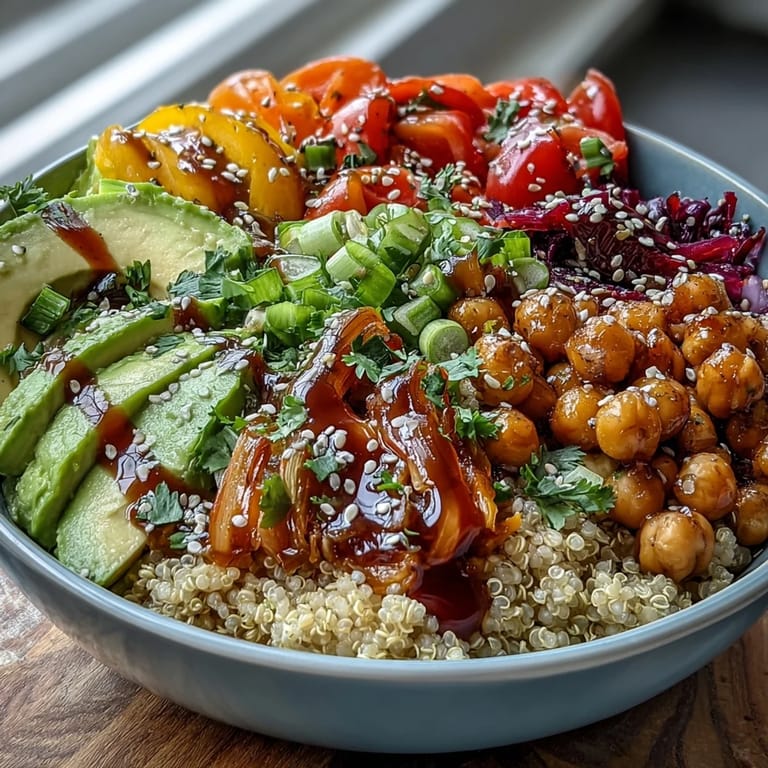
- Divide the warm grains among four bowls as your base, then arrange the vegetables and chickpeas in separate sections around the bowl—this isn't just for looks, it ensures every bite has a mix of flavors and textures.
- Dress generously and garnish:
- Pour the dressing over each bowl, hitting as many vegetables as possible, then scatter sesame seeds, fresh herbs, and green onions across the top. Serve immediately while everything still has character.
 Pin It
 There's a moment right before you take the first bite where you pause to admire what you've built—these vibrant sections of color that somehow look like health without feeling like punishment. Then the sesame ginger dressing hits your palate and you realize this is the kind of food that makes you feel energized rather than stuffed, which is its own kind of magic.
The Dressing Is Everything
I used to think this bowl was good because of the vegetables, but the truth is the dressing carries the entire experience. That balance of toasted sesame, ginger heat, lime brightness, and umami depth is what transforms raw vegetables into something crave-worthy. I've started making double batches of dressing just to have it on hand for drizzling over grain bowls, roasted vegetables, or even simple salads—it's become my kitchen's secret weapon.
Making It Work for Your Schedule
The real genius of this bowl is how it bends to your timing. Cook your grains the night before and store them in the refrigerator, then spend 10 minutes chopping vegetables when hunger strikes. You can even prep all your vegetables in the morning, keep them in separate containers, and assemble everything when you're ready to eat. The only rule is to add the avocado and dressing at the very end so everything maintains its personality.
Flavor Combinations to Explore
Once you master this version, you'll start seeing endless possibilities. Roasted sweet potato wedges, massaged kale, raw beets, cucumber ribbons, edamame, marinated tofu—the framework is infinitely flexible. Some nights I lean into warm comfort by roasting everything; other times I'm all about the fresh, raw crunch that makes you feel alive. The sesame ginger dressing works beautifully with whatever direction you take it.
- Swap grains for cauliflower rice or farro depending on whether you're going lighter or heartier that day.
- Add miso paste or a touch of sriracha to the dressing if you want deeper umami or a subtle heat.
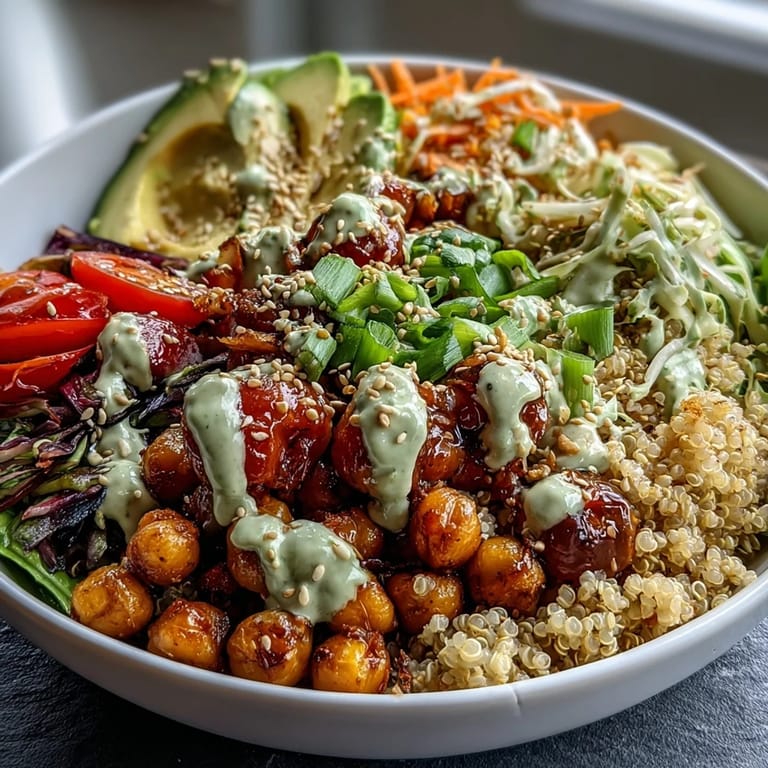
- Roast chickpeas with a bit of the dressing in a hot oven until crispy if you want extra texture and intensity.
 Pin It
 This bowl has become my answer to the 6 PM question of what's for dinner, the meal prep shortcut that doesn't feel like a shortcut. It nourishes without heaviness and tastes genuinely delicious rather than virtuous—which is exactly how food should be.
Recipe FAQs
- → What grains work best for this bowl?
Brown rice or quinoa are ideal choices, providing a hearty base that's both nutritious and gluten-free when quinoa is used.
- → Can the vegetables be adjusted?
Absolutely! Feel free to swap or add seasonal vegetables to customize the bowl to your taste and availability.
- → Is the sesame ginger dressing easy to prepare?
Yes, it’s a simple blend of toasted sesame oil, tamari, rice vinegar, maple syrup, fresh ginger, garlic, and lime juice whisked together to enhance flavors.
- → Can I steam the broccoli or use it raw?
Both options work well—steaming softens it slightly, while raw adds extra crunch and freshness.
- → Are there gluten-free considerations?
Using tamari instead of regular soy sauce keeps the dish gluten-free, suitable for sensitive diets.