 Pin It
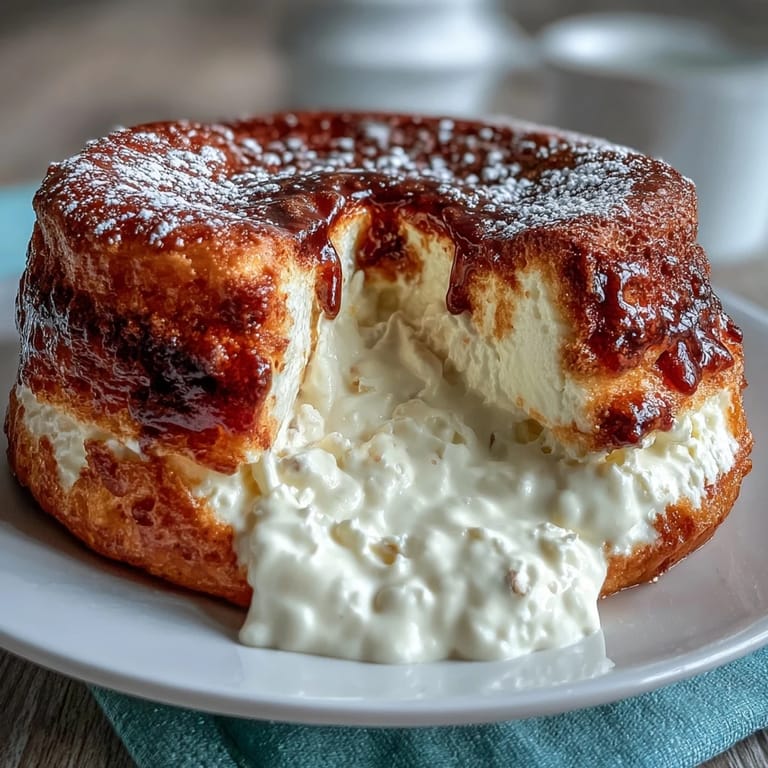
 My nonna's kitchen smelled like Easter morning when she made this pie—butter melting, lemon zest catching the light, and that unmistakable sweetness of ricotta filling waiting to be baked. I watched her work with flour-dusted hands, moving between the pastry and the creamy mixture with such ease that I thought it might be impossible for me to replicate. The first time I tried it myself, I over-watered the dough and had to start over, but something clicked when I finally tasted that tender crust giving way to the silky, bright filling inside.
I made this for my sister's Easter dinner last spring, and I remember her taking that first bite with skeptical eyes—she'd always thought ricotta desserts were too heavy. Two minutes later, she was back for a second slice, and we spent the rest of dinner debating whether the lemon or the buttery crust was the real star. That moment, watching her face change, told me everything about why this pie has survived generations in Italian kitchens.
Ingredients
- All-purpose flour (2 cups for pastry, 2 tbsp for filling): The flour creates both structure and tenderness—cold butter mixed into it makes that flaky, golden crust that shatters slightly when you cut into it.
- Unsalted butter (1/2 cup, cold and cubed): Cold is the magic word here; warm butter makes a tough crust, so I always keep mine in the freezer until the last moment.
- Granulated sugar (1 1/4 cups total): The 1/2 cup in the crust adds subtle sweetness and helps with texture, while the 3/4 cup in the filling balances the brightness of the lemon.
- Eggs (4 large total): Two go into the pastry for binding and richness, while three create a custardy texture in the filling that sets to perfection.
- Whole milk ricotta (2 cups, well drained): Draining is non-negotiable—wet ricotta means a soggy pie, so I always use cheesecloth and give it time.
- Fresh lemon zest (from 2 lemons): Microplane this straight into the filling; it's the flavor that makes people ask what you did differently.
- Lemon juice (1 tbsp): A small amount adds depth without making the filling taste sour, just aromatic.
- Heavy cream (1/4 cup): This keeps the filling creamy and prevents it from becoming grainy or dense when baked.
- Vanilla extract (2 tsp total): A quiet backbone that rounds out all the flavors without announcing itself.
- Salt (1/2 tsp total): Tiny amounts scattered through both pastry and filling make every other flavor taste more alive.
- Powdered sugar (for dusting): A gentle snow of this right before serving catches light and looks festive without being overdone.
Tired of Takeout? 🥡
Get 10 meals you can make faster than delivery arrives. Seriously.
One email. No spam. Unsubscribe anytime.
Instructions
- Make the pastry foundation:
- Combine flour, sugar, and salt in a large bowl, then add cold butter cubes and use your fingertips to rub everything together until it resembles coarse breadcrumbs. This gentle friction, not pressure, is what creates those little pockets of butter that become flaky layers when baked.
- Bring it together:
- Add the egg, egg yolk, and vanilla, then sprinkle in cold water one tablespoon at a time while stirring with a fork until the dough just barely holds together. You want it slightly shaggy and cool to the touch, not smooth or warm.
- Chill and rest:
- Shape the dough into a flat disk, wrap it in plastic, and refrigerate for at least 30 minutes. This pause lets the gluten relax and the butter stay cold, which is your secret weapon for tenderness.
- Prepare your vessel:
- Preheat the oven to 350°F and grease a 9-inch pie or tart pan with butter or light cooking spray. The slight slope of a tart pan actually helps this filling bake more evenly than a deep pie dish.
- Line and dock:
- On a lightly floured surface, roll the dough to about 1/8-inch thickness, lift it gently into the pan, and press it up the sides without stretching. Prick the base with a fork (this prevents puffing), trim the overhang, and chill for 10 minutes while you make the filling.
- Build the filling:
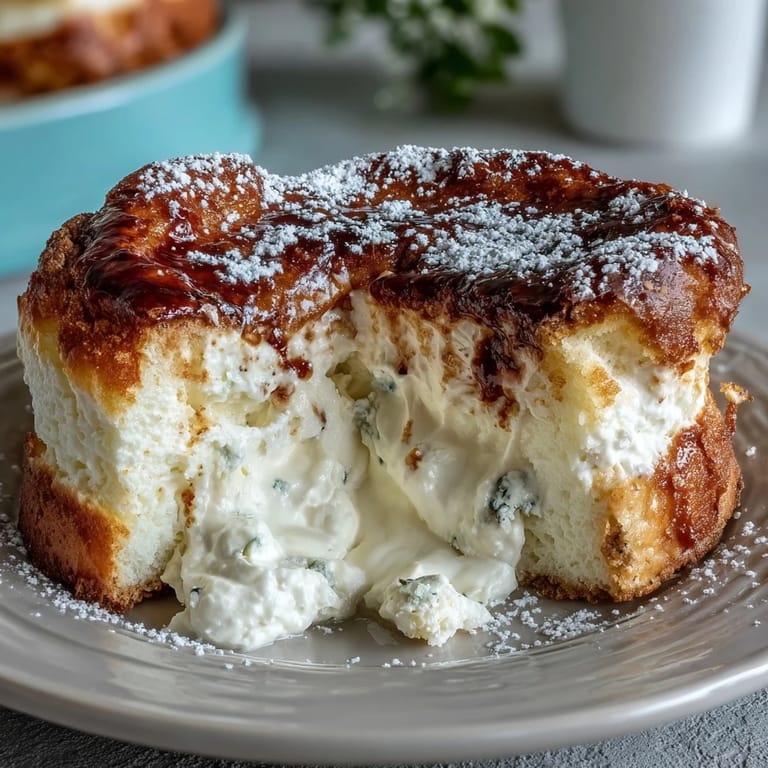
- In a large bowl, whisk together the well-drained ricotta, sugar, eggs, vanilla, lemon zest, lemon juice, flour, salt, and cream until completely smooth and no lumps remain. The flour stabilizes the filling so it sets properly instead of jiggling too much or cracking on top.
- Fill and bake:
- Pour the ricotta mixture into the chilled pastry shell and smooth the top gently with an offset spatula. Bake for 55 to 60 minutes, until the edges are set and lightly golden but the very center still has a slight gentle wobble when you shake the pan.
- Cool with patience:
- Let the pie cool completely on a wire rack, then chill it for at least 2 hours before slicing. This resting time lets the filling firm up and the flavors meld, making each slice clean and the taste more rounded.
- Finish with grace:
- Just before serving, dust the top with powdered sugar for a delicate, snowy appearance that looks as good as it tastes.
 Pin It
 Years later, my neighbor dropped by unannounced and I had leftover slices chilling in the fridge. We sat at the kitchen table with coffee, and she told me it reminded her of visits to her grandmother's village in Sicily, even though she'd never had this exact pie before. Food has this strange power to carry us backward and forward at the same time, and that's what this pie does.
The Lemon Question
People always ask if they should use bottled lemon juice instead of fresh. I learned the hard way that bottled juice is harsher and one-dimensional—fresh lemon zest and juice create a brightness that feels alive and complex. If you can only find bottled juice, use half the amount and add a pinch more zest to compensate.
Timing and Temperature Matters
This pie benefits from a lower oven temperature than you might expect. At 350°F instead of 375°F, the filling sets gently without the edges browning too dark, and the pastry has time to cook through without burning. If your oven runs hot (and many do), place a baking sheet on the rack below to catch any drips and monitor the top at the 50-minute mark.
Variations and Personal Touches
The beauty of this recipe is how it welcomes small changes without losing its soul. I've added orange zest alongside the lemon for a more complex citrus note, scattered candied lemon peel on top before baking, and even used half the lemon juice and added a tablespoon of limoncello for a deeper, more sophisticated flavor. Fresh berries scattered across the top just before serving add color and a gentle tartness that plays beautifully with the sweetness. One Easter, I experimented with a tiny pinch of ground cardamom in the filling, and it brought an unexpected warmth that made people pause and ask what the secret ingredient was.
- Try adding orange zest for a more pronounced citrus flavor that feels winter-into-spring.
- Berries on top aren't just decoration—they cut through the richness and add a fresh bite.
- This pie actually tastes better the next day when flavors have had time to settle and meld together.
 Pin It
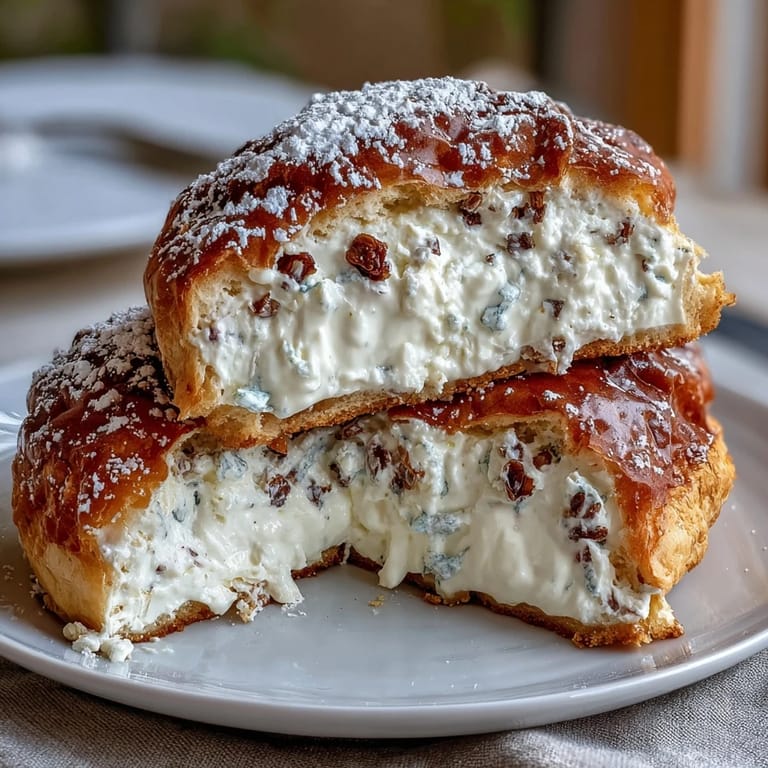
 This pie carries the weight of tradition while feeling light and modern on your tongue. Whether you're making it for a holiday or a quiet Tuesday when you need something beautiful, it will remind you why people have been baking ricotta pies for centuries.
Recipe FAQs
- → What type of cheese is ideal for the filling?
Whole milk ricotta cheese is best, drained well to ensure a creamy and smooth filling texture.
- → How can I enhance the citrus flavor in this pie?
Adding orange zest alongside the lemon zest will deepen and brighten the citrus notes.
- → What is the best way to prepare the pastry crust?
Rub cold butter into the flour and sugar until coarse crumbs form, then add wet ingredients, chill dough, and roll it out gently before baking.
- → How can I tell when the filling is perfectly baked?
The filling should be lightly golden with a slight wobble in the center indicating it is set but still creamy.
- → Can this dish be made gluten-free?
Yes, substitute gluten-free flour for the all-purpose flour in the crust to accommodate gluten sensitivities.