 Pin It
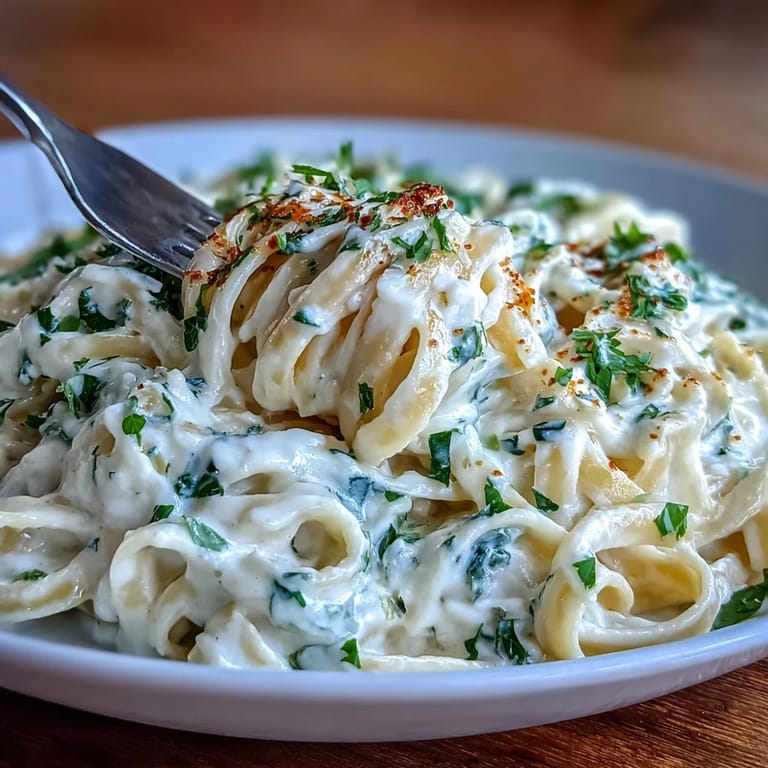
 One Tuesday evening, I stood in my kitchen wondering how to make pasta night feel less heavy, and that's when I realized cauliflower could transform into something luxuriously creamy without a single drop of cream. The first time I blended those soft florets with butter and Parmesan, I genuinely gasped at how silky the sauce turned out. My partner took one bite and asked if I'd somehow snuck in heavy cream, which felt like the highest compliment. That moment made me realize comfort food doesn't need to apologize for being good for you.
I made this for a dinner party last spring and watched my guests' skepticism melt away the moment they tasted it. Nobody believed me when I told them the creamy base was just cauliflower until I showed them the blender. There's something special about serving food that surprises people in the best way, especially when they're expecting to miss the richness they think they need.
Ingredients
- Cauliflower florets (about 700 g from 1 medium head): The star of this show—when cooked until completely tender, it becomes naturally creamy and takes on flavors beautifully without any cream needed.
- Garlic cloves (3): These cook right alongside the cauliflower and lose their sharp edge, becoming sweet and mellow in the blended sauce.
- Yellow onion (1 small, chopped): Adds subtle sweetness and depth that makes the sauce feel more complex than it actually is.
- Unsalted butter (2 tablespoons): Essential for richness and helps create that silky mouthfeel—don't skip it or use too little.
- Parmesan cheese (1/3 cup grated, plus extra for serving): This is where the umami punch comes from, so use real Parmesan if you can, not the pre-grated stuff that contains anti-caking agents.
- Milk (1/2 cup, dairy or plant-based): Adjusts the sauce consistency and mellows any sharpness, though you might not need all of it depending on how wet your blended cauliflower is.
- Fettuccine or linguine (350 g): The flat, wider noodles catch and hold the sauce better than thin spaghetti, so the coating feels generous with every twirl.
- Salt (1 teaspoon, plus more to taste): Season in layers—some in the cooking water, some in the sauce, and adjust at the end when everything comes together.
- Black pepper (1/2 teaspoon freshly ground): Always freshly ground; it makes a surprising difference in how the flavors pop.
- Ground nutmeg (a pinch, optional): This is the secret that separates a good Alfredo from one that tastes mysteriously luxurious—use it even if you think you won't notice it.
- Fresh parsley (chopped, optional): A bright finish that cuts through the richness and makes the dish look alive on the plate.
Tired of Takeout? 🥡
Get 10 meals you can make faster than delivery arrives. Seriously.
One email. No spam. Unsubscribe anytime.
Instructions
- Boil the vegetables until they're silky soft:
- Fill a large pot with salted water and bring it to a rolling boil—you'll hear it before you see it. Add the cauliflower florets, garlic cloves, and chopped onion all at once, then set a timer for 8 to 10 minutes. The cauliflower should be so tender that a fork pierces it without any resistance whatsoever; this is what makes the blended sauce creamy.
- Transfer to the blender with a slotted spoon:
- Scoop out the cooked vegetables into your blender, letting the cooking water drip back into the pot—you'll need that pot again soon. Don't worry about draining them perfectly dry; a little moisture actually helps with blending.
- Blend into a luxurious sauce:
- Add the butter, Parmesan cheese, milk, salt, pepper, and that pinch of nutmeg (trust me on this) to the blender. Blend on high until the mixture is completely smooth and creamy, about 1 to 2 minutes; you're aiming for the texture of pourable thick cream, not soup.
- Cook the pasta in the same pot:
- Using that same salted water (don't dump it out), cook your fettuccine or linguine according to the package directions until it's al dente—tender but with just a tiny bit of resistance when you bite it. Before you drain, reserve 1 cup of that starchy pasta water in a measuring cup or bowl.
- Combine pasta and sauce with a gentle toss:
- Return the drained pasta to the pot, pour the cauliflower Alfredo sauce over it, and toss gently but thoroughly with a wooden spoon until every strand is coated. Add a splash or two of reserved pasta water if the sauce seems thick; the starch in that water helps it cling to the noodles and creates an even creamier finish.
- Taste, adjust, and serve immediately:
- Give it a final taste and add more salt or pepper as needed—sometimes the Parmesan is saltier than expected, so adjust carefully. Serve right away while it's hot, scattered with fresh parsley and extra Parmesan if you want that finishing touch.
 Pin It
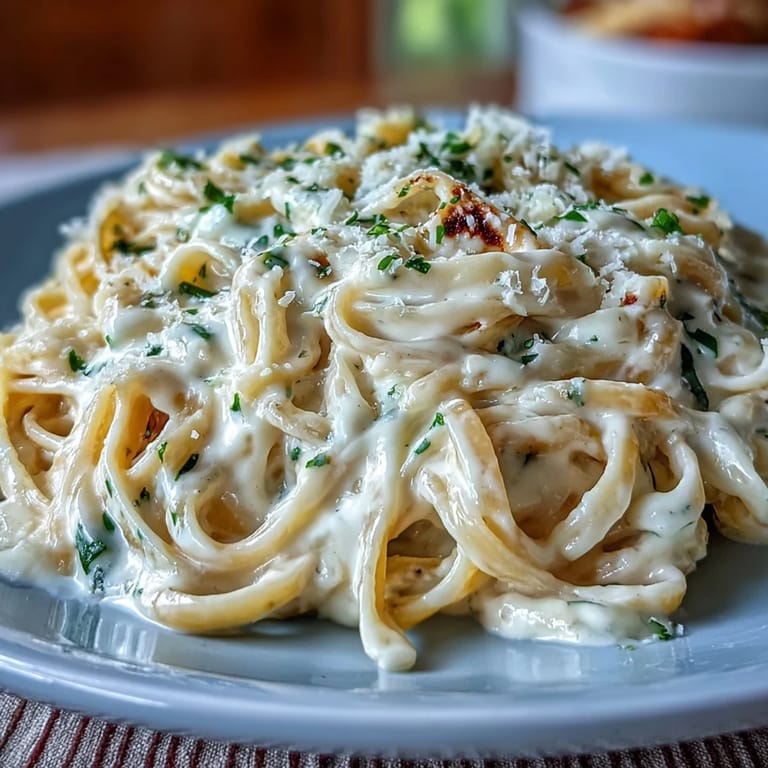
 I remember my sister texting me the photo she took of this dish saying it looked too good to be healthy, and somehow that captured everything I love about cooking it. It's one of those meals where nobody feels like they're eating "light" food, even though there's nothing heavy about it at all.
Why This Sauce Works Without Cream
The magic happens when you cook cauliflower until it's completely tender and then blend it smooth. Cauliflower is mostly water with a bit of natural starch and fiber, so when blended, it creates a naturally thick, creamy base that mimics the mouthfeel of heavy cream without actually being heavy. Adding a little butter and Parmesan amplifies that richness, while the milk adjusts the consistency to exactly what you want. It's chemistry that feels like cheating.
Making It Your Own
The beauty of this recipe is how adaptable it is once you understand the base. I've added sautéed mushrooms, stirred in steamed broccoli right at the end, or even tossed in some crispy pancetta for nights when I wanted more flavor depth. One evening I added a handful of fresh spinach and let it wilt right into the sauce, which both deepened the color and added nutrients nobody even noticed they were eating. The sauce is forgiving enough that it embraces whatever you want to add, as long as you taste and adjust the seasoning afterward.
Tips for Pasta Perfection
There's a sweet spot with pasta that takes practice to find, but it's worth hunting for. The water should taste like the sea before you add the pasta, and the noodles should be tasted a minute or two before the package says they're done—that's when you catch them at al dente, tender but with a tiny resistance in the center. The tossing is just as important as everything else; move the pasta and sauce together gently but decisively, making sure each strand gets coated and the sauce works its way into every corner of the pot.
- If your sauce seems too thick before serving, a tablespoon of reserved pasta water at a time brings it back to creamy without diluting the flavor.
- Serve immediately on warm plates or bowls so the heat keeps the sauce glossy and the pasta stays at its best texture.
- Leftover pasta keeps for a day or two refrigerated, though it thickens as it cools—add a splash of milk and reheat gently to restore the creamy consistency.
 Pin It
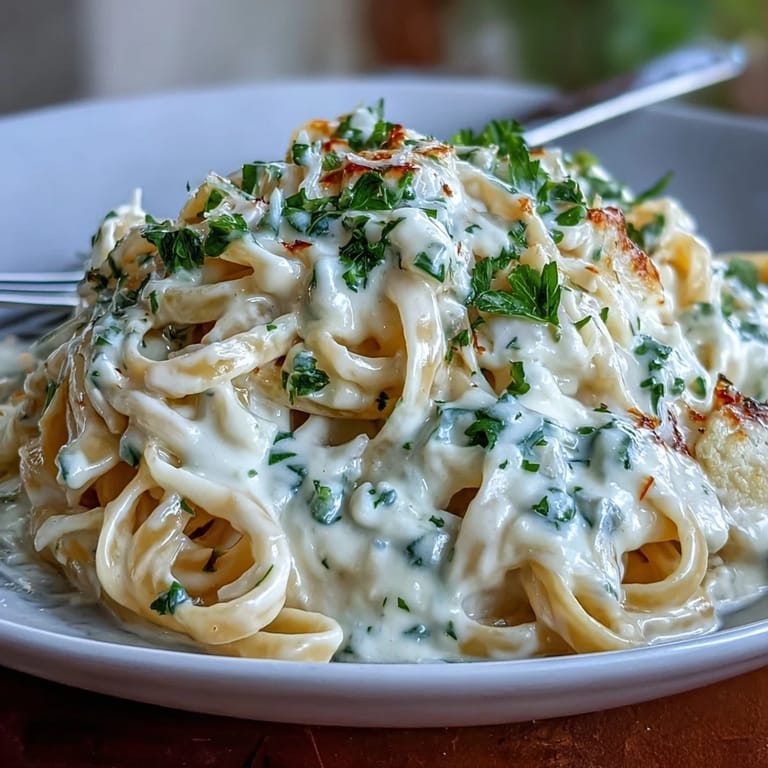
 This is the kind of recipe that reminds me why I love cooking—it takes simple things and turns them into something that feels both nourishing and indulgent at the same time. Make it once, and it'll become your go-to comfort meal.
Recipe FAQs
- → What makes this Alfredo lighter than traditional versions?
The sauce uses pureed cauliflower instead of heavy cream, dramatically reducing fat content while maintaining that signature velvety texture. A modest amount of butter and Parmesan provides rich flavor without the heaviness of traditional Alfredo.
- → Can I make this sauce ahead of time?
Absolutely. The blended sauce keeps well in the refrigerator for 3-4 days. Reheat gently with a splash of milk or pasta water to restore creamy consistency before tossing with freshly cooked pasta.
- → What pasta shapes work best?
Fettuccine and linguine are classic choices that coat beautifully with the sauce, but penne, rigatoni, or even spaghetti work wonderfully. The key is choosing pasta with enough surface area to hold the creamy cauliflower sauce.
- → How do I achieve the smoothest texture?
Cook cauliflower until completely tender—soft enough to easily pierce with a fork. Blend thoroughly, adding pasta water or milk as needed. High-speed blenders yield the silkiest results, though immersion processors work with patience.
- → What vegetables can I add for extra nutrition?
Sautéed mushrooms, steamed broccoli florets, roasted bell peppers, or fresh spinach all complement the mild, creamy sauce beautifully. Add them during the final toss so they heat through without becoming mushy.